The International Union for Conservation of Nature and Natural Resources (IUCN) estimates that 20 million metric tons of plastic end up in the environment. As that plastic sits around for hundreds of years, micro-sized particles are sloughed off, persisting in water and soil and being ingested by animals as they also travel great distances.
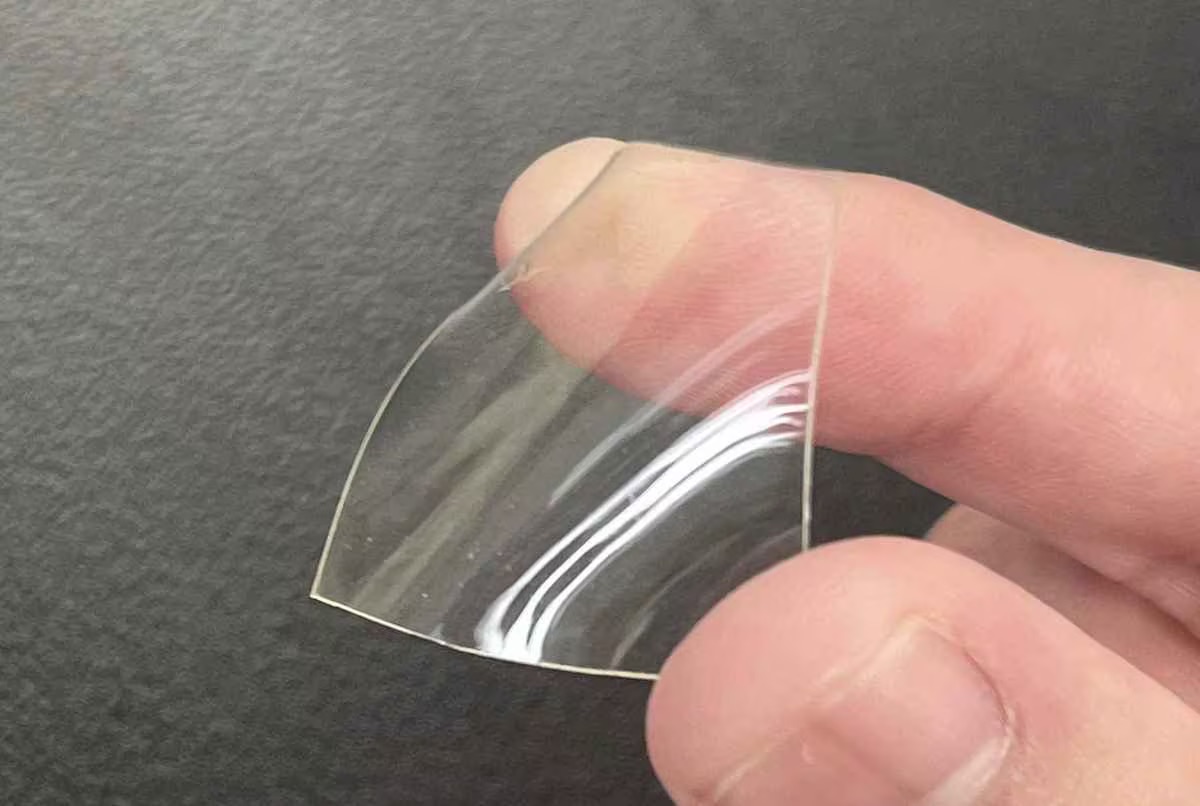
Scientists at RIKEN, a national scientific research institute in Japan, have developed an advanced plastic material designed to break down in the presence of salt. The material is described as being similar in weight and strength to conventional plastic and engineered to biodegrade in seawater.
The team of researchers, led by Takuzo Aida, a materials scientist and head of the Emergent Soft Matter Function Research Group at RIKEN, discovered that adding sodium hexametaphosphate (known as SMHP or E452i) with guanidinium ion-based monomers created “salt bridges” which formed strong cross-linked bonds that provide the material strength and flexibility.