Plastic pollution is a royal headache, but researchers at the University of Edinburgh have devised a way to turn this ecological scourge into a common painkiller.
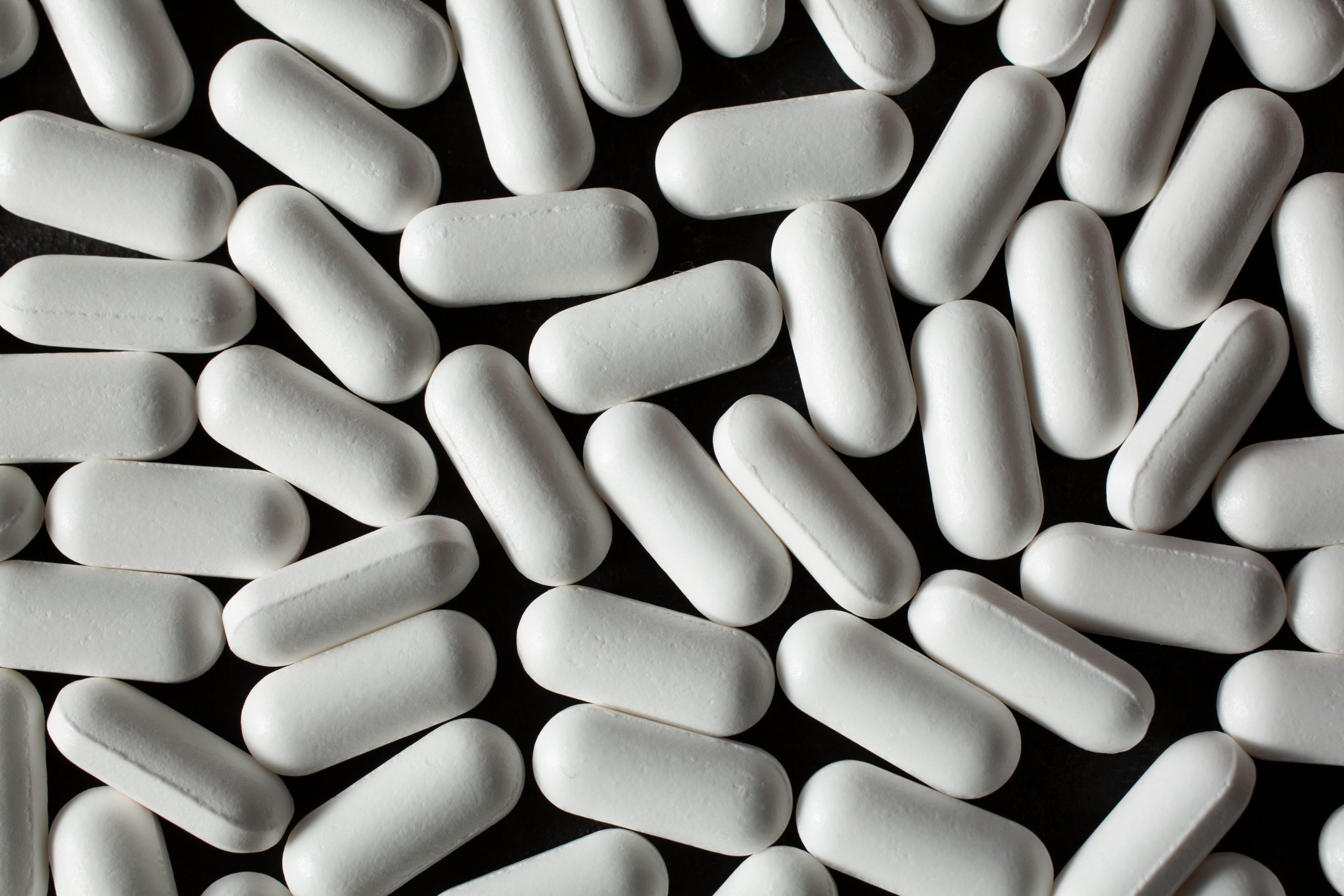
In a study published in the journal Nature Chemistry, scientists in Scotland describe a process in which E. coli, a common bacterium, feeds on PET plastic and converts it into organic substances, specifically acetaminophen, also called paracetamol, a common medication used to treat pain.
Scientists discovered that a chemical process called Lossen rearrangement is biocompatible, meaning it can be carried out harmlessly within living cells. Armed with this discovery, scientists converted PET into a new material using sustainable methods. Then, they incubated the material in a bioengineered strain of E. coli, which forced the bacteria to utilize the PET-based substance to produce Para-Aminobenzoic Acid (PABA), a crucial substance required by E. coli for DNA synthesis.